

- 12 mins
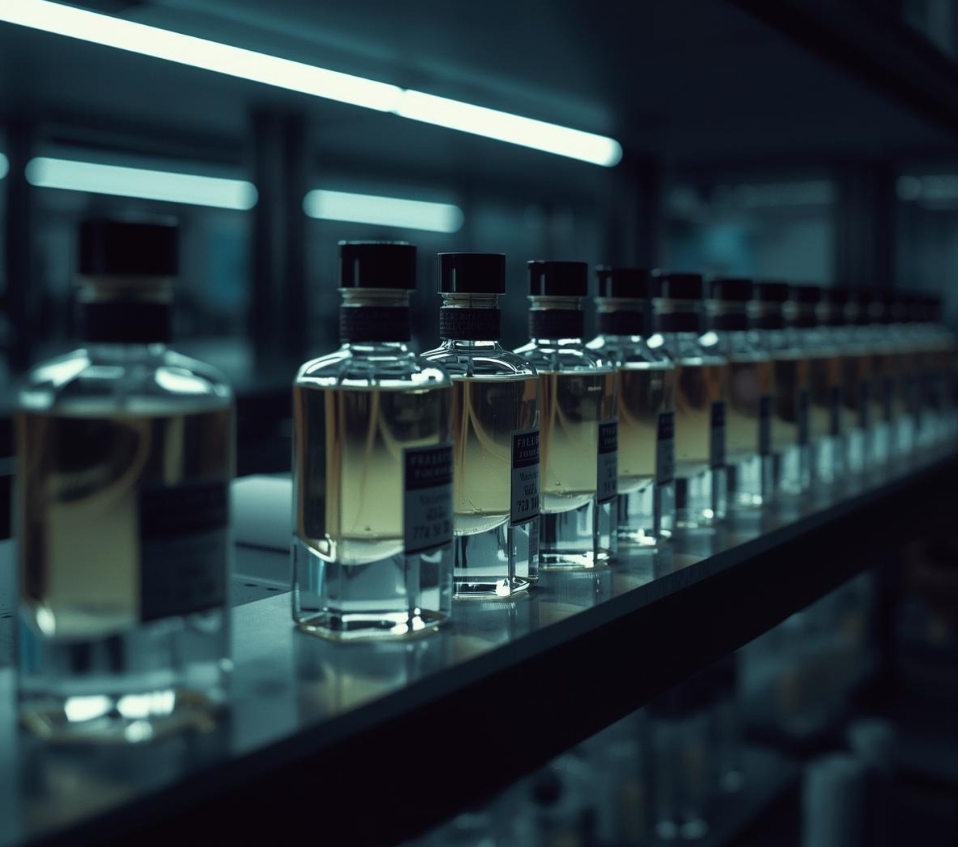
Over the past decade, fragrance dupes and clones have come a long way, largely due to advances in analytical technology such as mass spectrometry. For context, in the fragrance world, “dupes” or “clones” are perfumes designed to imitate the smell of —often, though not always—much more expensive fragrances. Most of the time, people buy clones simply to save money.
Is it Legal?
This is not legal advice. While you can’t copy a fragrance’s name, branding, or certain protected synthetic compounds (often called “captive molecules”, which are proprietary aroma chemicals developed and kept secret by fragrance houses until patents expire), you also can’t truly copyright a smell itself.
In practice, clone companies often use tools like gas chromatography–mass spectrometry (GC-MS) to analyze a fragrance and build a basic structural framework. From there, a perfumer fills in the gaps by nose, interpretation, and experience. Ingredients are then sourced (likely from different suppliers than the original brand) which means the final result can be very close, but not identical. For now, exact replication still isn’t possible, though that could change with future technology.
Legally speaking, this approach is generally considered fair game. Clone companies aren’t using insider information, violating contracts, or stealing proprietary formulas. They also sell their products under different names and in different bottles. That distinction matters. Producing a clone is not the same as selling a fake, where the bottle, branding, and name are copied outright (trademark infringement).

Popularization of Clones
The fragrance that truly kick-started the modern clone market was Creed Aventus. When it launched in 2010, it sold for around $250 USD. Today, it’s closer to $500 USD. On the women’s side, Baccarat Rouge 540 occupies a similar price tier and is cloned just as heavily. More broadly, as designer fragrances from brands like YSL, Dior, and Gucci now regularly exceed $200 CAD, we’ve seen a surge in clones targeting these releases as well.
With many people living paycheck to paycheck, the appeal of clones is obvious. A 2021 study showed that clothing and footwear were among the few consumer goods that largely maintained their prices despite inflation. As of late 2025, that still seems mostly true—prices haven’t risen sharply. I’m not an economist, but fragrances, on the other hand, appear to have increased quite significantly over the past few years.
Social Media Hype for Clones
Aggressive marketing on YouTube and TikTok adds another layer. There’s growing pressure to engage in fast-fashion-style consumption, and that mindset has extended into fragrances. I won’t dive deeply into fragrance or shopping addiction here, but overspending can still be an issue even with clones. People often buy multiple versions trying to find the one that smells closest to the original, and at a certain point, they may have been better off buying the real thing. That said, eliminating affordable clones overnight wouldn’t solve the problem either. You’d likely just see more people turning to Klarna for expensive fragrances.
You also see this with the next generation of “Sephora kids,” who want the latest makeup or fragrance. Parents often end up buying what their kids ask for. I don’t know exactly what’s happening in schools, but it’s clear that some kids are getting into fragrances as early as middle school. While the social pressure to smell like your peers may not be as strong as fashion, it may exist. If you’re a parent already stretched financially and your child wants Dior Sauvage, getting a clone that smells 90% similar can feel like a reasonable compromise.
Elitism
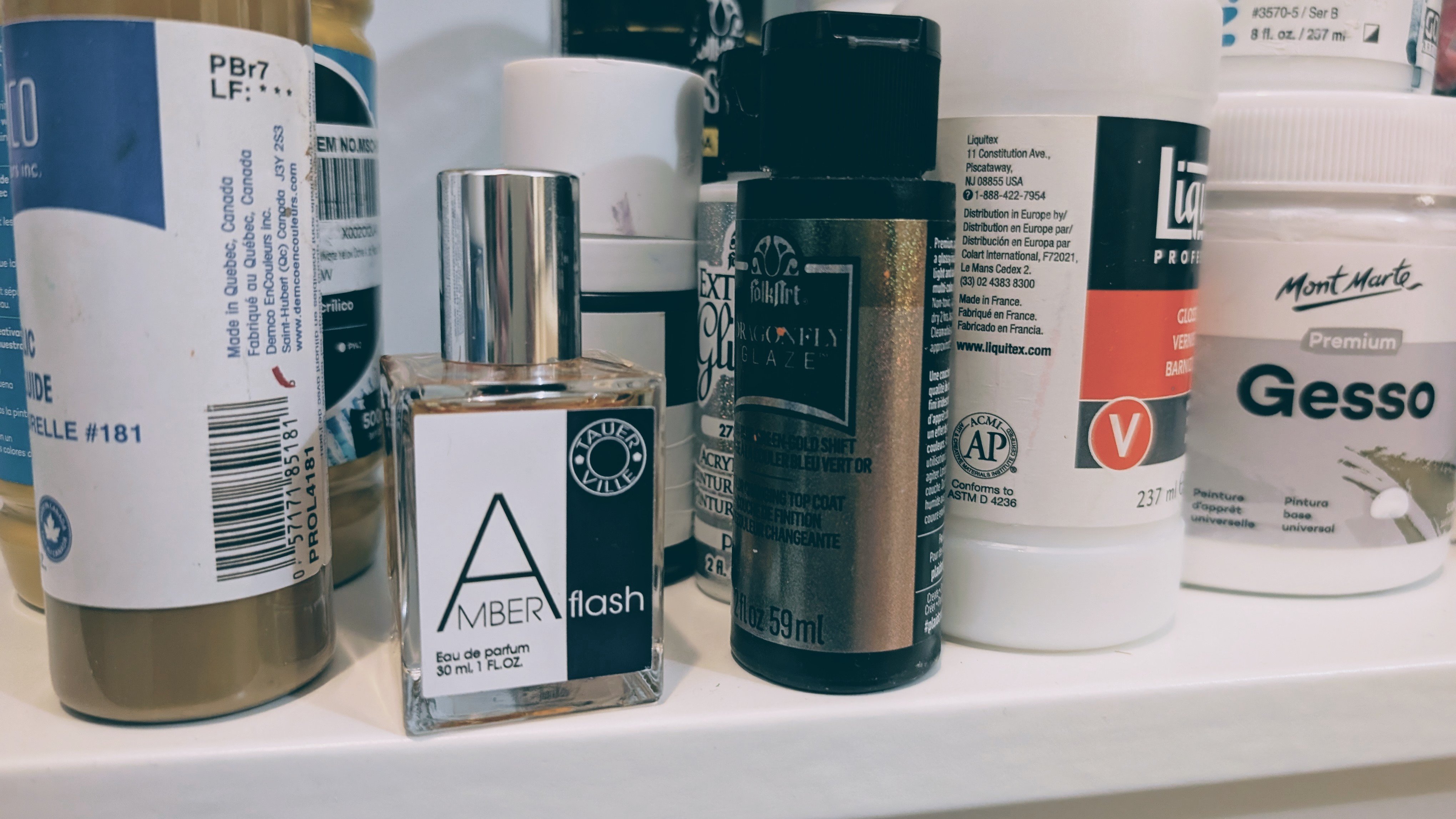
Should we criticize people for not being able to afford the “original”? Or tell someone how to parent or spend their money? These questions are worth considering because, while we often think of less prestigious brands cloning high-end fragrances, cloning also happens between major companies. When a luxury brand draws inspiration from a cheaper fragrance, the practice is often framed as “inspired by” or paying homage, rather than calling it a clone outright.
There is clearly snobbery and elitism in the fragrance world. That’s obvious. But over the past decade, attitudes toward clones have become more accepting, largely due to budget-consciousness and social media. Some people may buy clones out of spite for originals that have increased their prices, but the average consumer isn’t thinking too deeply. Someone searching for a clone of Tom Ford’s Lost Cherry, for example, probably doesn’t know or care who the perfumer is. They recognize the Tom Ford brand, but not that Louise Turner crafted the scent. And that’s understandable, given that packaging rarely lists the individual perfumer.
The vast majority of luxury designer fragrances probably couldn’t care less about the perfumer. Sure, they want a reputable nose for the success of the fragrance but recognition for the craft itself is usually secondary. If these companies truly respected the artistry, they would clearly list the perfumer’s name on the bottle, much like an author’s name on a book.
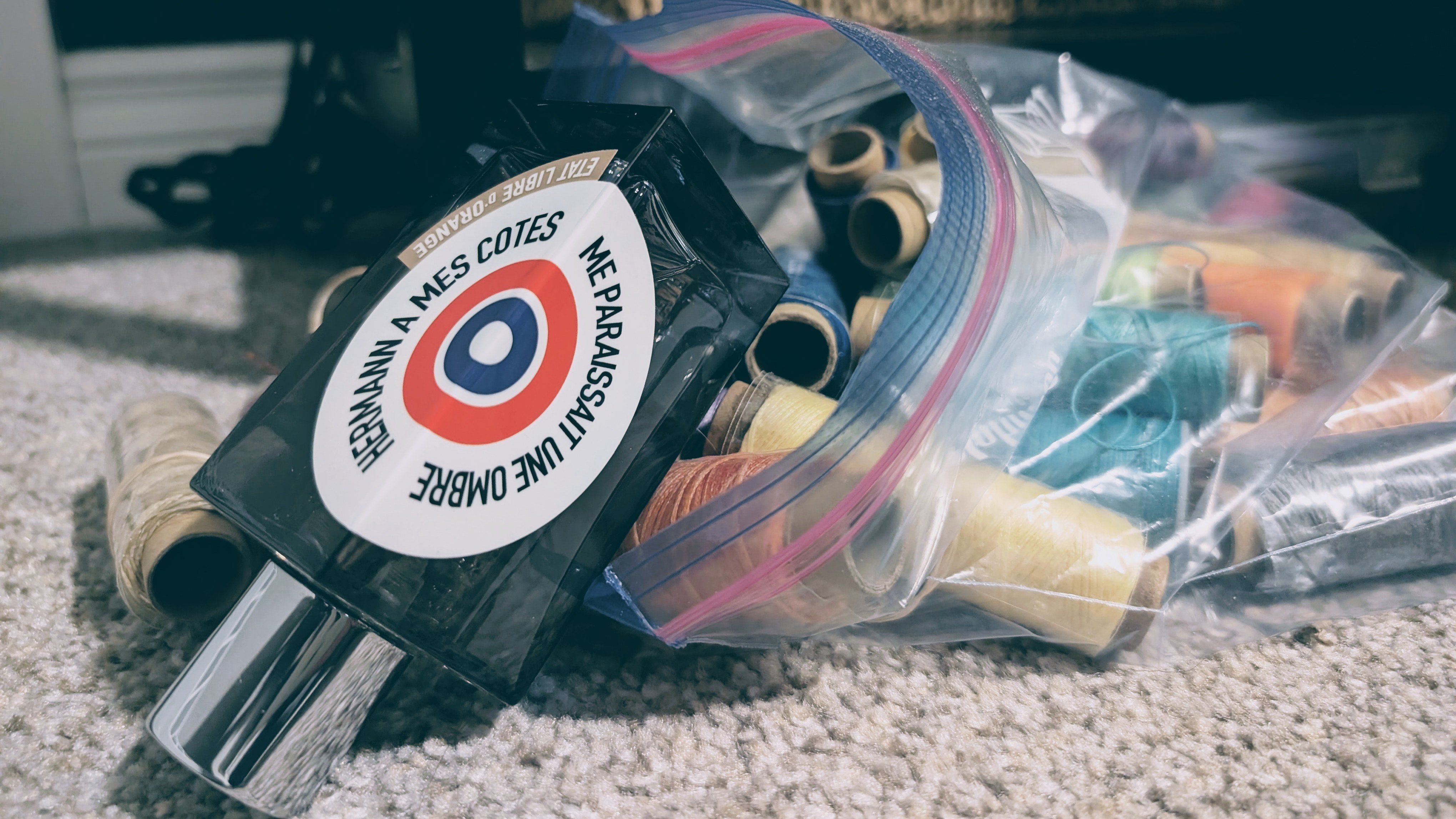
One brand that does this is Frédéric Malle, which proudly features the perfumer’s name on the label, as prominently as the brand itself. In a perfect world, this would be standard practice. But brands like Creed don’t clearly identify the real perfumer and even create myths around the fragrance’s creation. It’s a bit like ghostwriting: potentially acceptable if the perfumer consents, but otherwise it obscures the person responsible for the art.
Measurable Harm?
This raises a question of harm. With AI-generated art, for example, the impact feels measurable: people lose jobs and work can be copied without attribution. Could the same argument apply to fragrances? Does buying a clone threaten perfumers’ employment or the art of perfumery itself?
If we view perfumery as art, we should give the original credit. However, most clones avoid naming the original explicitly to prevent legal issues. Some do acknowledge the original through “inspired by” marketing on their websites. This suggests a middle ground: for those concerned about intellectual copying, brands could explicitly credit the original fragrance and even set up royalty agreements, allowing a portion of sales to support the original perfumer.
This naturally leads to questions about financial harm. Most perfumers at major companies are paid upfront for their work and do not receive royalties per bottle sold. Only highly established perfumers sometimes negotiate per-unit royalties. So in most cases, buying a clone does not directly harm the original perfumer of a luxury brand financially.
Royalties could, in theory, create incentives for companies to reward perfumers more generously, but currently, there isn’t clear, measurable economic harm from clones. The effect is largely cultural rather than financial.
Ethics
With a replica handbag, the primary motivation is often social signaling: you may want others to believe you own the real thing, even if the quality is inferior. Fragrance clones are similar in this regard if you care about status: a brief waft of a scent allows the wearer to claim it’s the original, giving credit to the brand and perfumer regardless of the clone’s accuracy.
But is this harmful?
- Consequentialism: The harm is minimal. There’s slight deception, but it might encourage someone to buy the original, or the clone could act as organic marketing. The overall impact is negligible.
- Deontology: Lying violates a moral duty to be truthful, making the action inherently wrong.
- Virtue Ethics: Misrepresenting the scent reflects a lack of honesty and humility, failing to uphold virtuous character.
In both the deontological and virtue ethics frameworks, the simple corrective is to admit you’re wearing a clone, which preserves integrity without materially harming anyone
Wealth Inequality and Capitalism
Is my defense of clones too biased? Is my view overly shaped by wealth inequality—so much so that I’ve lost touch with reality? Or is this simply the reality we’re living in now, where wages have stagnated, social mobility has eroded, and people turn to clones as a response to economic disparity?
To be fair, most people aren’t buying clone fragrances as a symbolic act of class resistance. They just want to smell good and still make rent. That said, I do think it’s tone-deaf to frame opposition to fragrance clones as a serious moral issue. Genocides are happening. People are losing access to healthcare. Entire social safety nets are being dismantled. And we’re worried about someone buying a $45 clone instead of a $500 bottle of perfume? At some point, perspective matters.
Thought Experiment
Let’s run a thought experiment. Imagine we wake up tomorrow and Creed Aventus is suddenly priced at $45 which is the same price as a highly accurate clone like Armaf Club de Nuit Intense Man. No sacrifice in quality, or changes to the presentation. What happens next?
One possibility is that clones disappear entirely because people now opt for the original. Another is that Aventus becomes so ubiquitous that its prestige collapses. When everyone has it, it no longer signals anything. In that case, people either move on to entirely different scent profiles or gravitate toward clones that introduce twists and variations rather than strict imitation.
Which brings us back to the root question: why do clones exist in the first place?
It’s just a Luxury
You could argue that fragrance is a luxury, and if you can’t afford it, you simply shouldn’t have it. There’s some truth there. Fragrance isn’t a necessity. Everyone deserves food, shelter, hygiene, and basic skincare—but perfume is firmly in the “nice to have” category. I’ll admit I lean utilitarian here: if no clear, measurable harm is being done to the original company, what exactly is wrong with a clone? No major niche or designer fragrance house has gone bankrupt because of them. And even if they did, isn’t this just a result of the free market?
There’s also the reality of how luxury brands make money. One statistic suggests that roughly 2% of a luxury brand’s customer base accounts for around 40% of its revenue. In other words, they don’t need your money. As wealth inequality continues to widen, the top percentile will be able to spend even more from the wealth they’ve accumulated, regardless of whether the average consumer buys a clone or not.
That’s not to say the original perfumer doesn’t deserve better compensation. Most perfumers at major houses are paid upfront, and even if a fragrance sells millions of bottles, they rarely receive per-unit royalties. I’m actually in favor of them receiving additional incentives. But it’s also true that the company, not the perfumer, owns the intellectual property. The perfumer is typically contracted for a one-time creative service.
And while I don’t want to play oppression Olympics between artists, context matters. Top-tier perfumers at major designer houses are generally financially secure. This is very different from the situation faced by members of the Writers Guild of America, where roughly 20,000 writers went on strike over declining pay and working conditions. Compare that to an estimated 1,600–2,000 perfumers worldwide, which is a far smaller, more insulated profession.
None of this is meant to dismiss artistic labor. It’s simply a reminder that ethical debates don’t exist in a vacuum. When we zoom out, the moral panic around fragrance clones starts to feel… misplaced.
Indie Perfumery
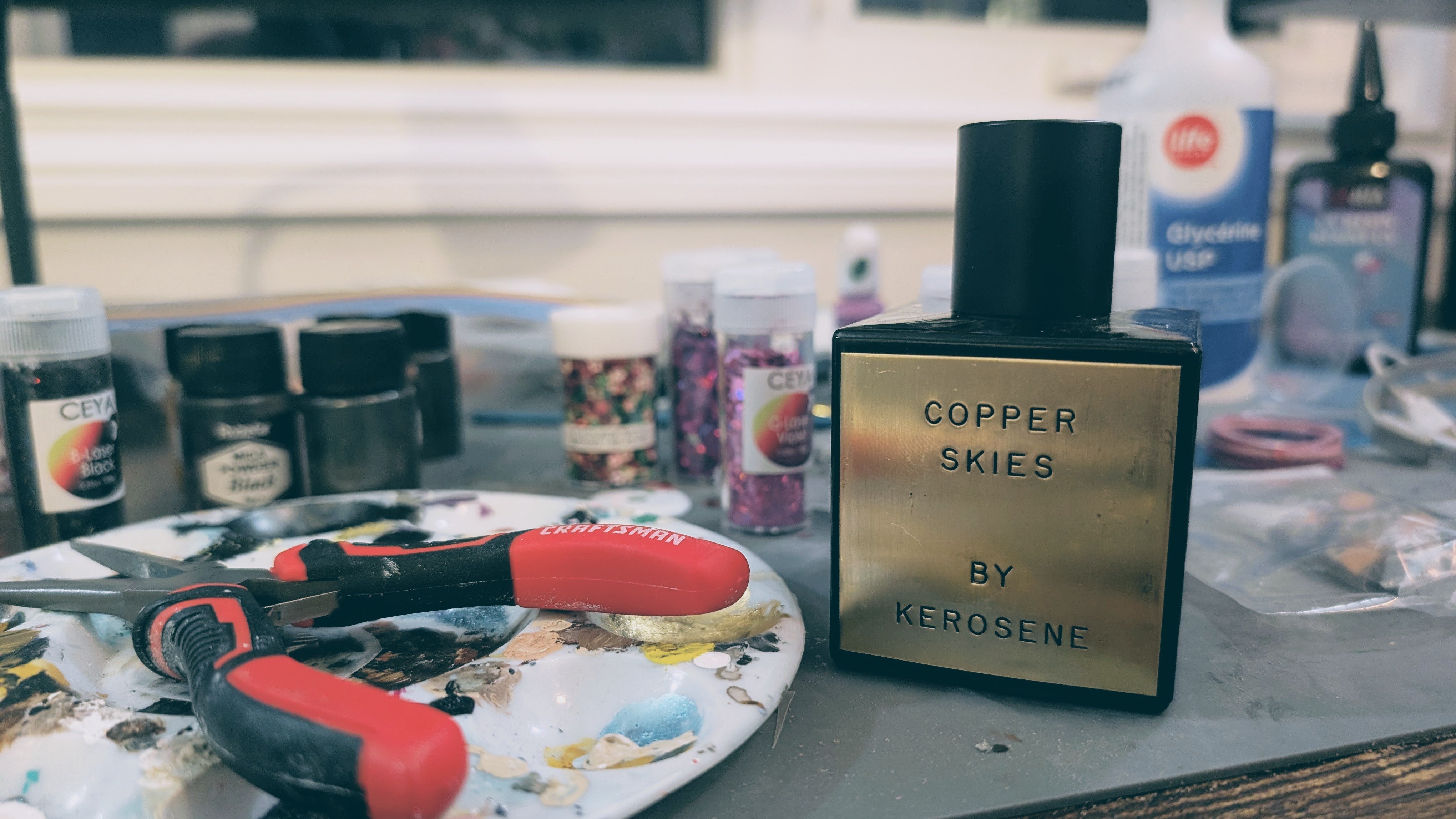
The reason I’m revisiting this topic is that I recently came across a fragrance explicitly inspired by an indie house—Kerosene. Indie, short for independent, simply means the fragrance is created by an independent perfumer and not released under a designer fashion label. This is different from luxury niche brands like Creed or Maison Francis Kurkdjian. While those brands primarily sell fragrance, they aren’t considered indie because they operate at a much larger scale, have wide distribution, and are stocked by retailers like Sephora and major department stores.
Pricing among indie brands varies, but many sit in a similar range to designer fragrances ($130 - $230). In some cases, they’re actually quite competitively priced when you consider that they lack scale, marketing budgets, and corporate backing. Truly artisanal or bespoke perfumery using ultra-rare materials can cost far more, but that’s a different category altogether.
Being independent is inherently challenging. Indie perfumers often create scents with less mass appeal, operate with limited marketing, have minimal name recognition, and rely on relatively small production runs. Every bottle sold genuinely matters. Even among indie brands, there’s a spectrum—more established names like Kerosene and Baruti, and much smaller newcomers like Lila Maya, which only launched in December 2025. The common thread is that these brands still operate with very small teams and limited resources.
This is where my discomfort starts. For a large, established clone house like Armaf, it would feel sleazy to clone an indie fragrance. We don’t have public sales figures, but based on size and global reach alone, the power imbalance is obvious. It would be a case of punching down, similar to Amazon undercutting local bookstores. So far, I haven’t seen major clone brands openly target indie fragrances, though it’s entirely possible it’s happened quietly with obscure releases that few people recognize.
At the moment, indie perfumers may be relatively safe but that may change. As technology improves and cloning becomes more accessible, the barrier to imitation will continue to drop. One reason clone houses haven’t focused on indie fragrances yet is simple economics: most indie scents are obscure, and demand for clones just isn’t there. But that could change.
Take Unknown Pleasures by Kerosene. It’s one of the best gourmand fragrances I’ve ever smelled, and it’s exactly the kind of scent that could explode if it gains traction on social media. For example, Baccarat Rouge 540 was also released in 2013 and only became a phenomenon years later thanks to social platforms. Maybe the lack of marketing exposure is a blessing in disguise. Luxury brands will always have the resources and influence to dominate attention online, often drowning out indie creators in the process.
At the same time, I don’t think indie perfumery has peaked. As trends shift and consumers grow more interested in bespoke, personal, and less algorithm-driven scent experiences, independent perfumers may find a stronger audience. Where that goes is a conversation for another time.
Clones Are Complex
If we ever reach a point where technology allows fragrances to be cloned perfectly (chemically indistinguishable) that’s when things get truly messy. Until then, the reality is more nuanced. If you buy a clone because that’s what you can afford, that’s fine. If you avoid clones entirely, I respect that too. But if you ridicule others for buying clones, I’ll judge you for it and you’re free to judge me back.
Maybe my stance isn’t perfectly consistent when it comes to luxury brands versus indie perfumers. But I still see it as morally defensible. Power imbalance matters. Context matters.
So far, I’ve only seen one indie fragrance being cloned, and I’m not even sure how close the imitation is. At the moment, it feels inconsequential. But it raises a bigger question: where do we draw the ethical line when it comes to cloning indie fragrances? Legally, the situation is murky because there’s little an indie perfumer can do to stop it.
That uncertainty is what makes this a slippery slope and why the conversation around clones isn’t as simple as people want it to be.
If you’ve made it this far, feel free to check out my fragrance reviews on Basenotes. I usually keep my perfume hobby separate from my other topics, but in many ways, fragrance is political too.